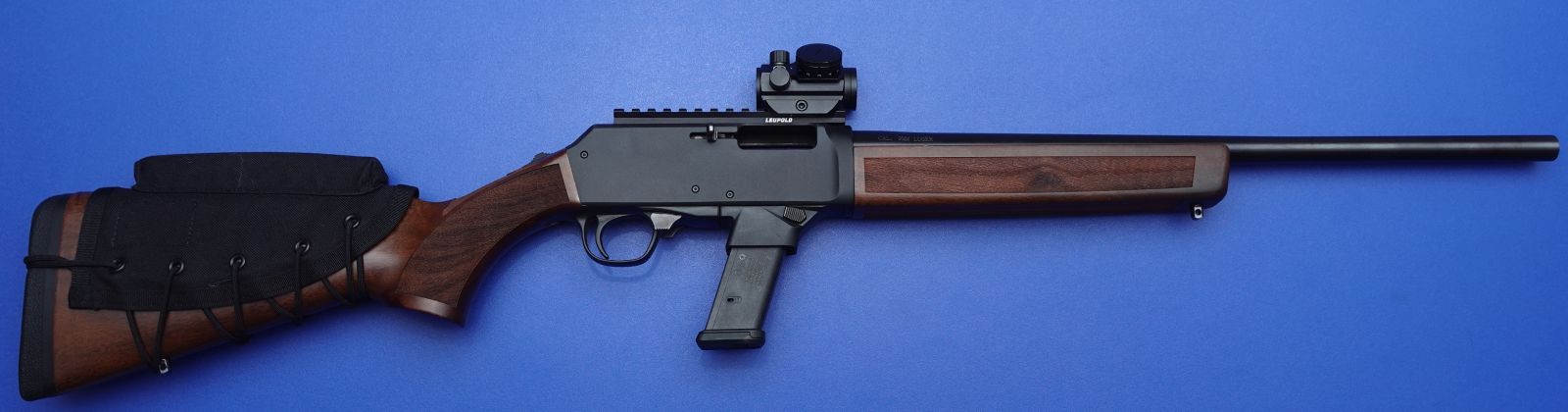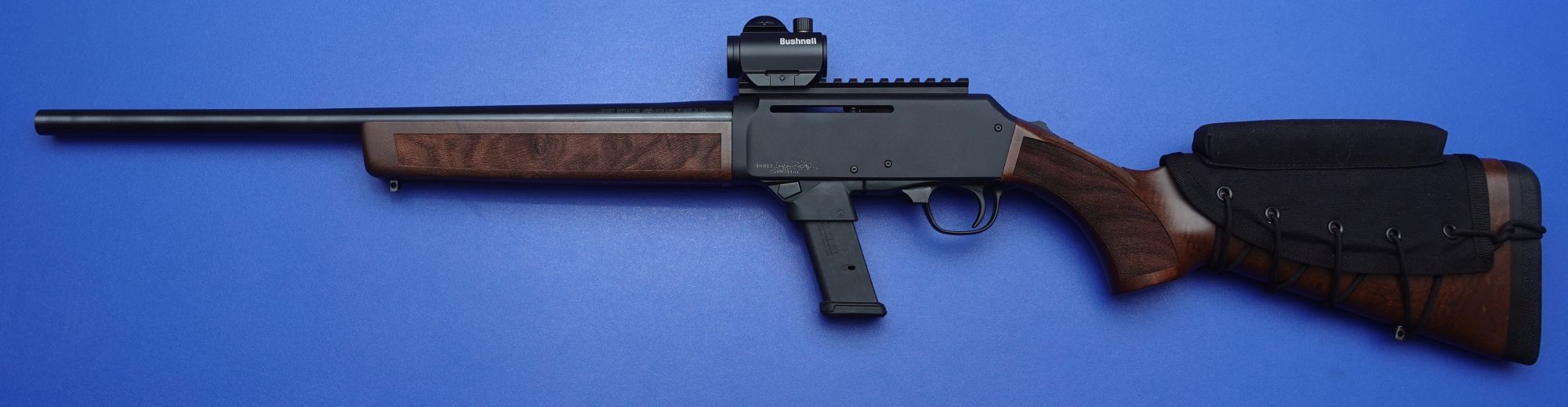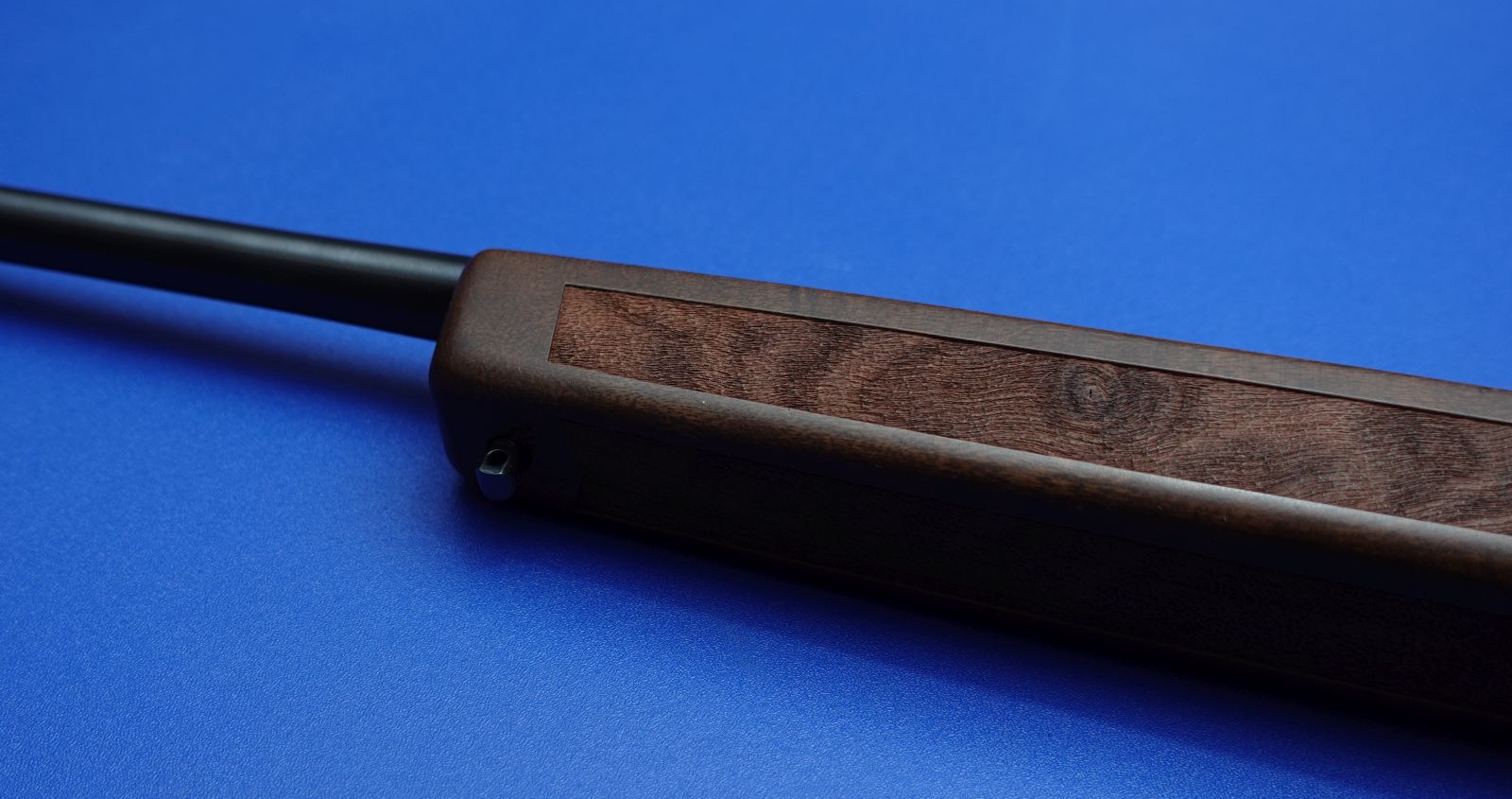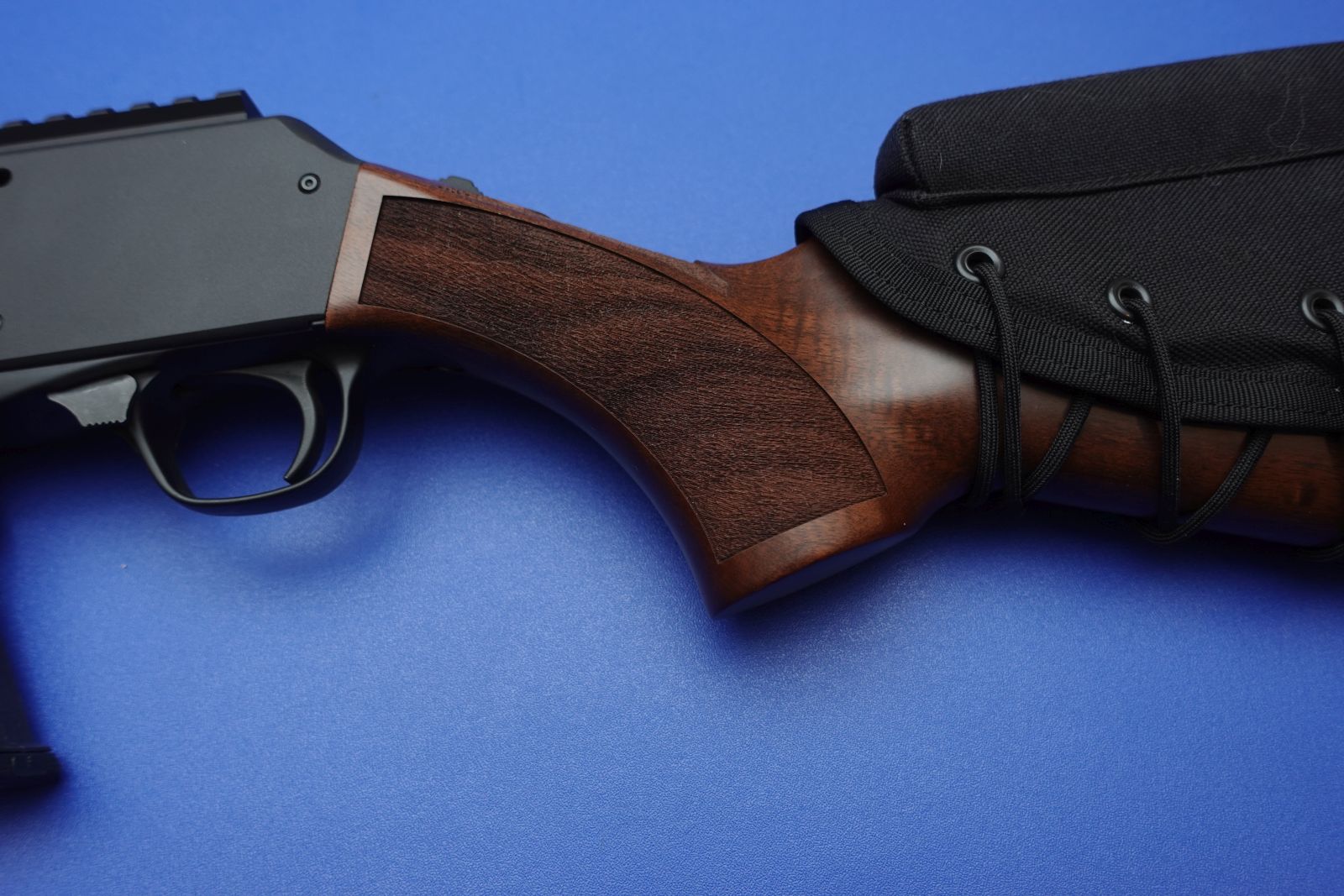
If you are looking for a 9mm Pistol Caliber Carbine (PCC) in Canada right now, the options are surprisingly slim. Most modern PCCs look like they belong in a sci-fi movie or a tactical shooter game. Henry decided to go a different route with the Homesteader. It is a wood-stocked, semi-automatic rifle that looks more like something your grandfather would lean against a fence post than a modern tactical tool. This rifle was loaned to me for review by Dave from Foothills Firearms Training in Calgary.
I spent some time with a Canadian version of the Homesteader — featuring the longer 18.6-inch non-threaded barrel — to see if this rifle is all show or if it actually has the “go” to back up those classic looks.
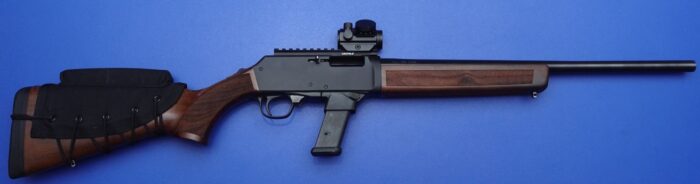
Specifications
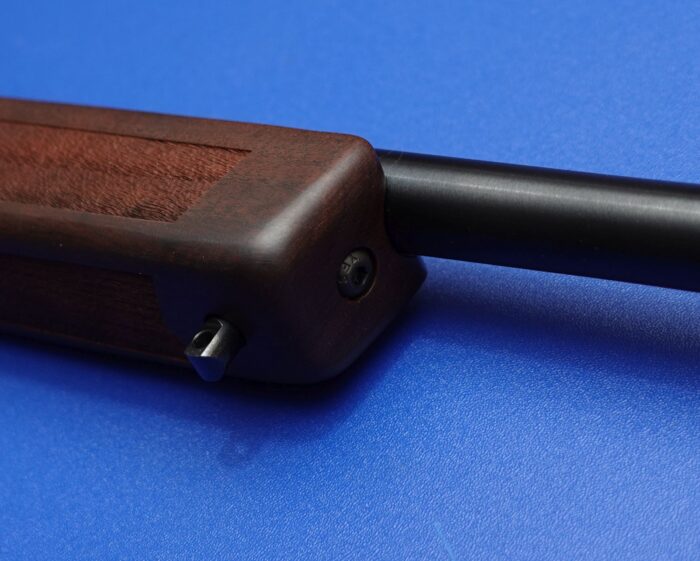
The Homesteader is a direct blowback rifle, but it has a unique twist. To manage recoil, Henry uses a reciprocating mass located inside the forend rather than putting all the weight in the bolt.
- 9mm Luger
- Semi automatic
- 18.6″ barrel for Canadians
- 6.6lbs
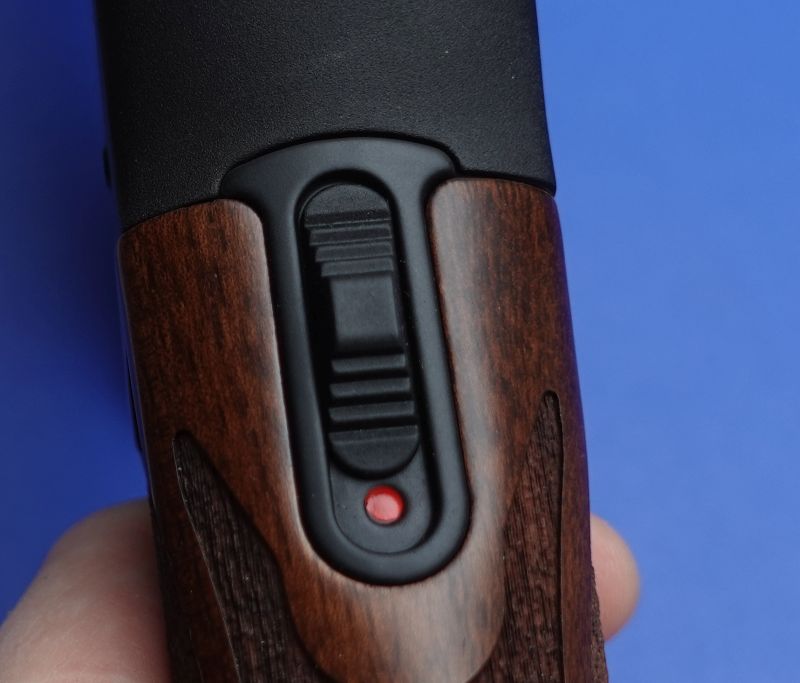
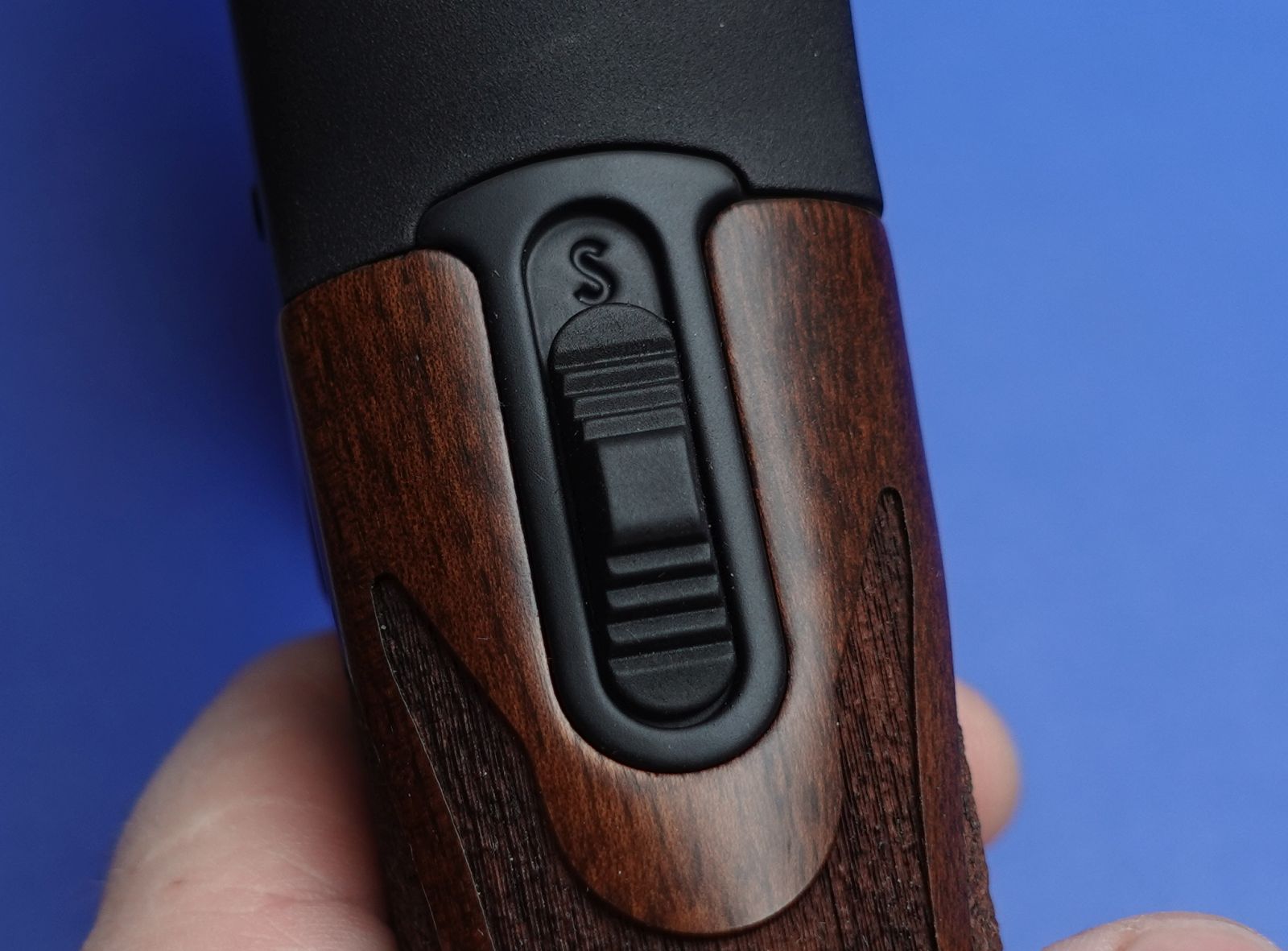
- Top mounted tang safety
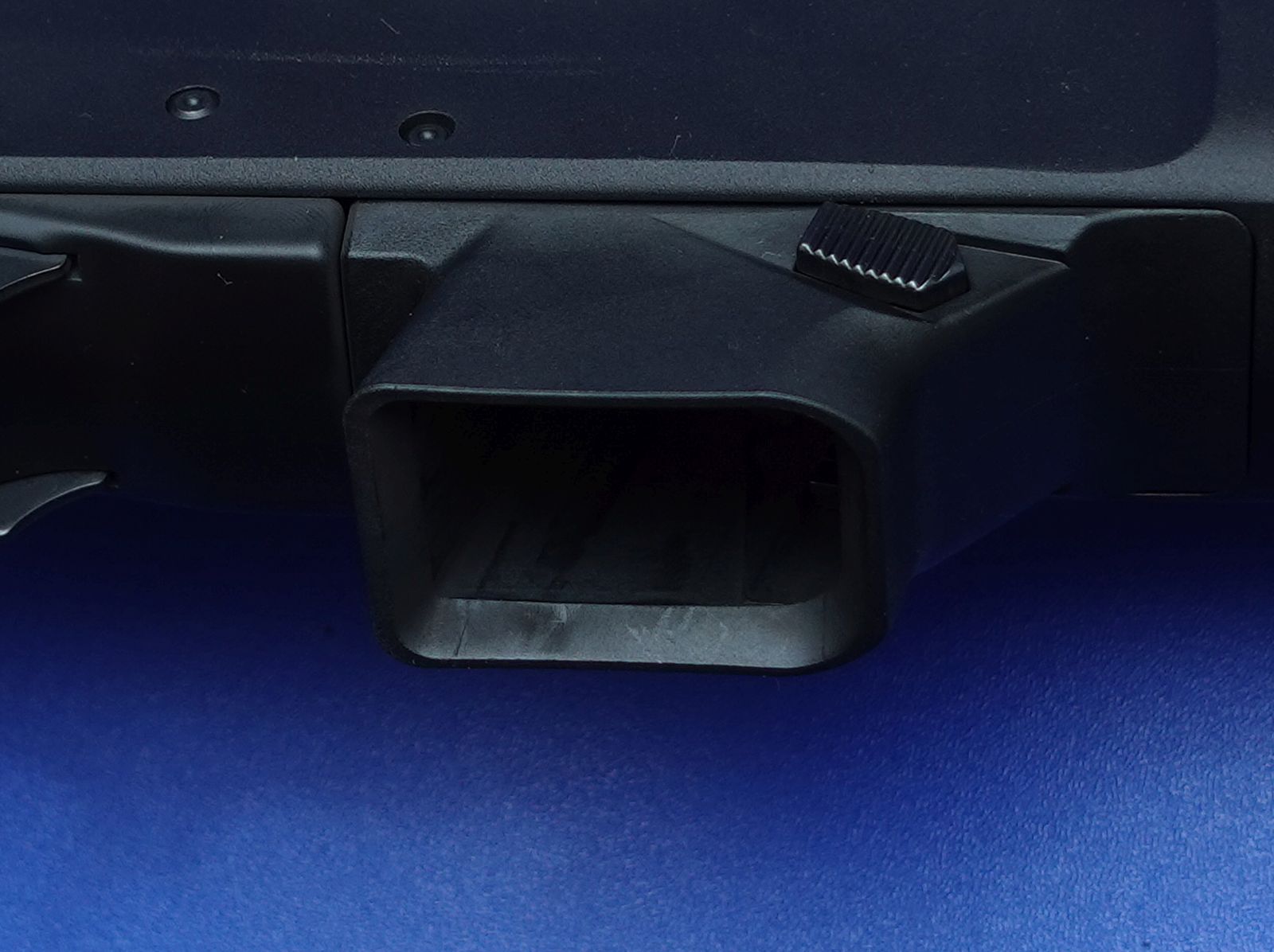
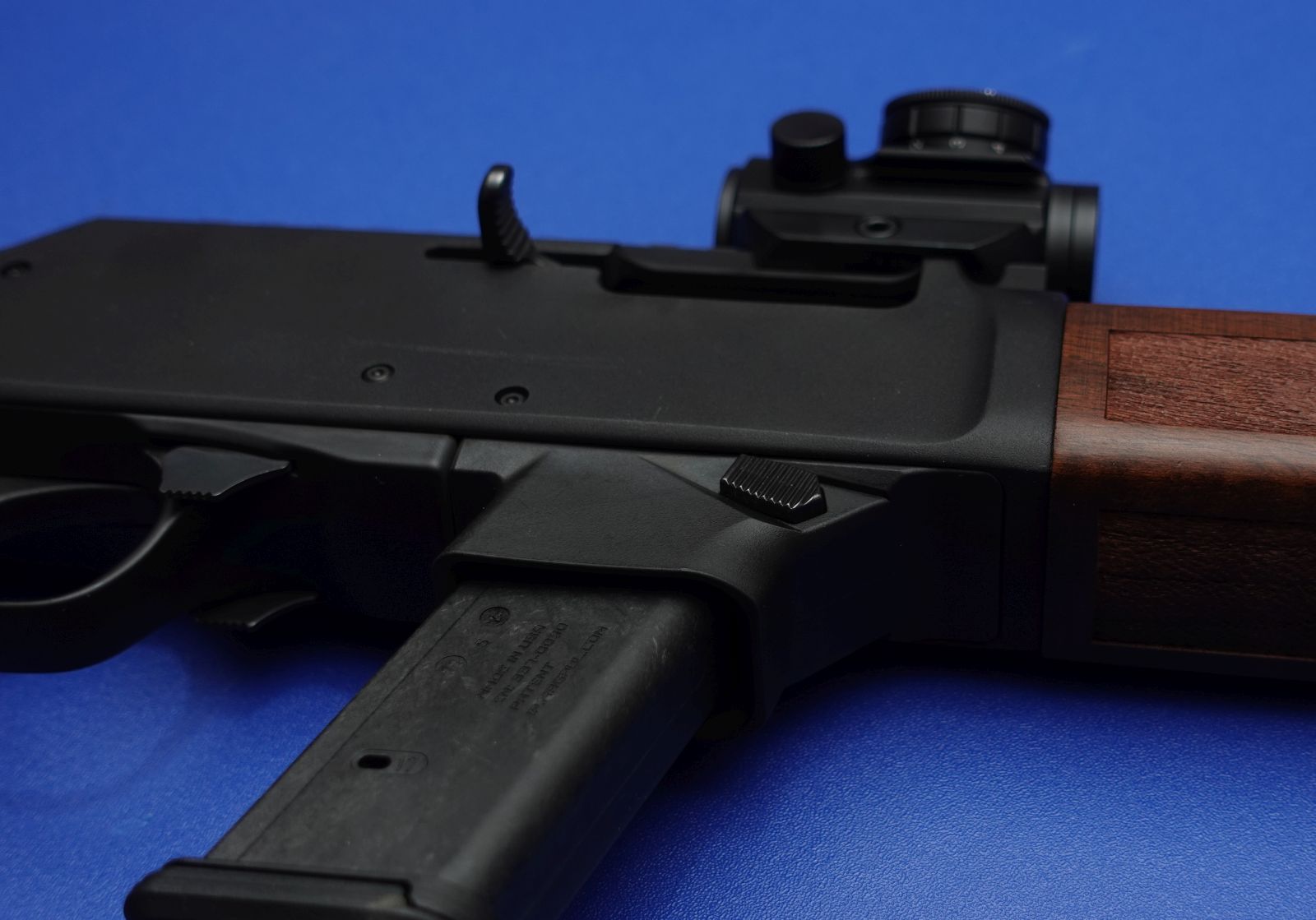
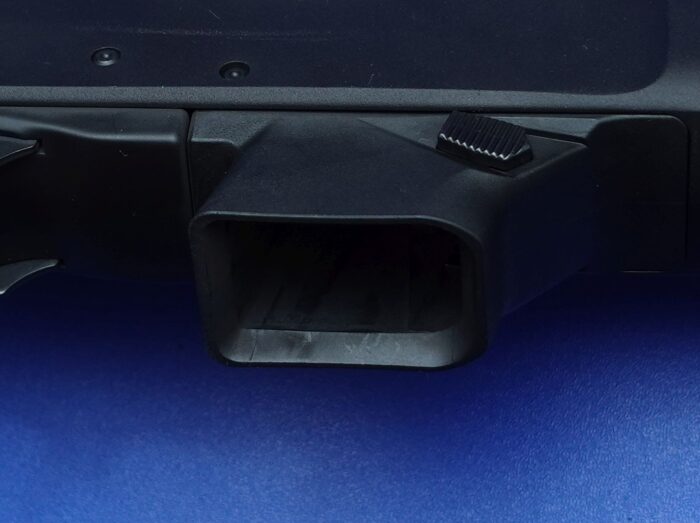
- Henry mags or use adapters for Glock (included), Sig, or M&P
- About $1250CAD
Usability: The Good and the Gritty
The Controls
The standout feature here is the tang safety. It is located right on top where your thumb naturally rests, much like a Mossberg shotgun or a classic lever action. It is positive, clicks firmly into place, and is completely ambidextrous. The charging handle is also reversible, and the bolt release can be accessed from both sides. For the lefties out there, this is a very friendly platform.

Feeding and Reliability
While the Homesteader is modular, it is not perfect. We tested this one with the Glock magazine adapter. While it should theoretically take any Glock mag, we found it was picky. It struggled to feed reliably from certain Glock-pattern magazines. If you are buying this to share mags with your G17, be prepared for some trial and error to find which specific brands it actually likes.
The “Dirty” Little Secret
Direct blowback guns are always a bit dirty, but the Homesteader seems to be in a league of its own. After only about 1,000 rounds, the action was packed with hard carbon buildup. It felt like the rifle was tuned poorly for the gas pressure (maybe because of the longer, Canadian-spec barrel?), forcing a lot of residue back into the receiver. You will need a brass brush and some elbow grease to keep this thing running smoothly; a simple nylon toothbrush won’t cut it.
Sights and Optics
The factory iron sights are a bit of a letdown. On our test unit, the sights were not torqued to spec from the factory and literally fell off during shooting. If you keep them, check those screws immediately.
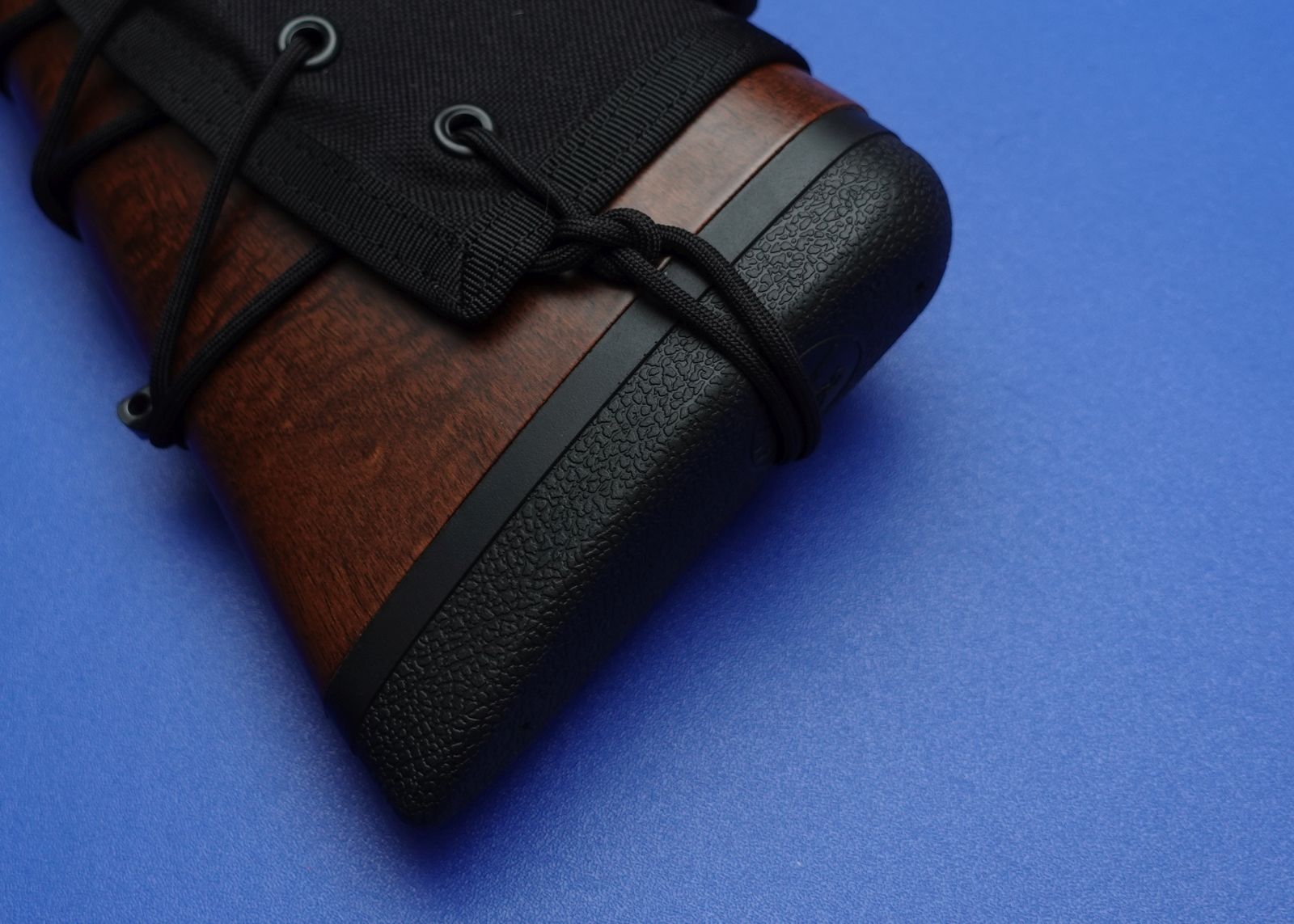
If you decide to mount a Red Dot — which most people will — you run into an ergonomic issue. The stock comb is far too low. It was designed for the low-profile iron sights. Once you add a rail and an optic, you lose your cheek weld and end up with more of a “chin weld,” which is not ideal for fast, accurate shooting.
Aftermarket and Potential Modifications
The Homesteader is not a “tacticool” rifle, so do not expect the massive aftermarket support you would see for AR-9s.
- Magwells: You can swap the magwell to accept Sig Sauer P320 or S&W M&P magazines if you don’t want to use Glock or Henry mags.
- Rails: It is drilled and tapped for a base.
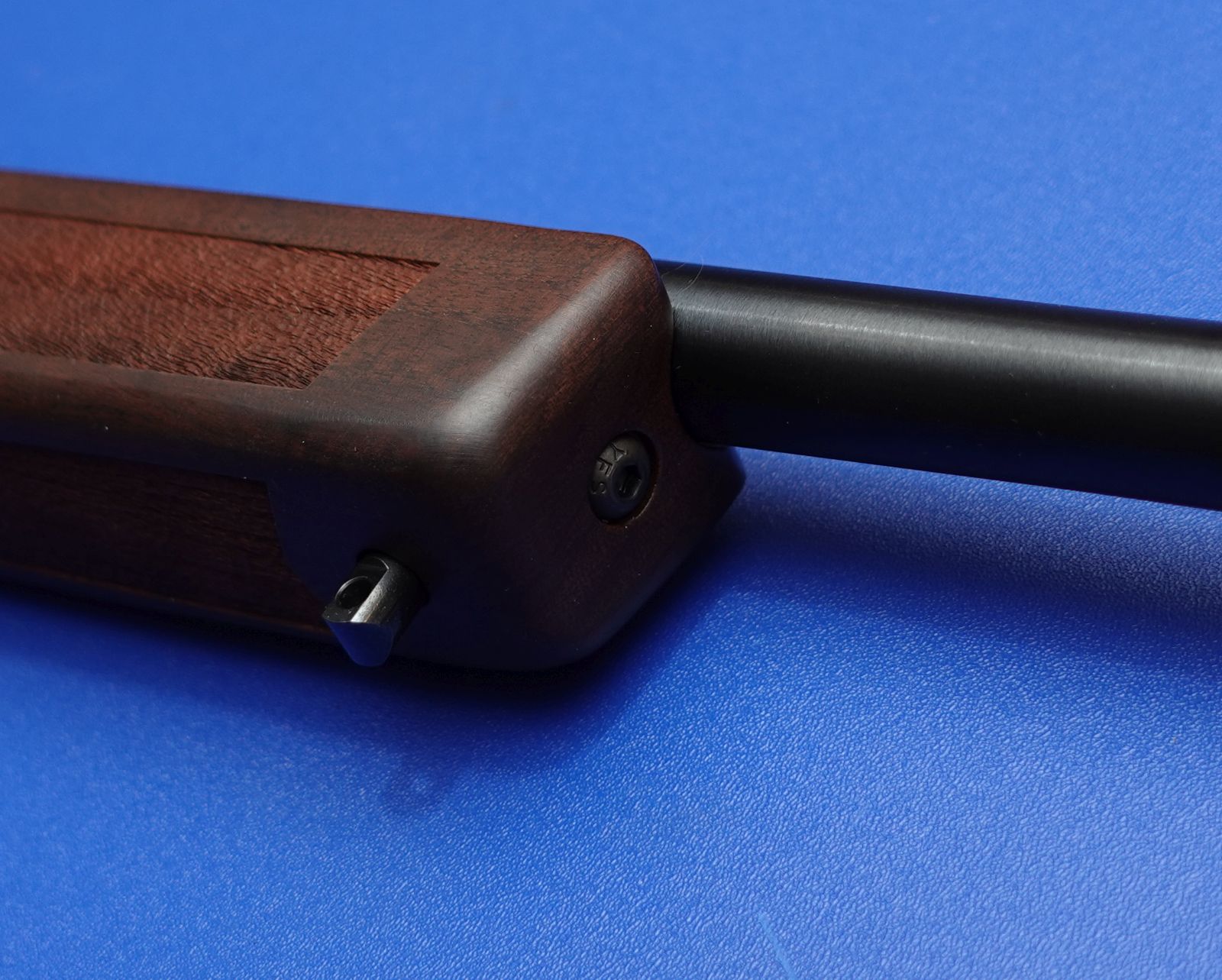
- Furniture: There are some third-party handguards popping up with M-LOK slots, but adding them usually ruins the “classic” wood aesthetic that makes people buy this gun in the first place.
Competitors
The elephant in the room is the Ruger PC Carbine.
- Ruger PC Carbine: Usually cheaper, has a much larger aftermarket, and is generally more “rugged” in its construction. It also features a takedown model which the Henry lacks. Banned in Canada
- S&W FPC: A bit cheaper, better for takedown/folding. Banned in Canada
The Henry wins on pure aesthetics and safety placement, but the Ruger wins on functionality and ergonomics.
Conclusion
The Henry Homesteader is a classy looking rifle that stands out in a sea of black plastic. It feels great in the hands and the tang safety is arguably the best in its class. However, the poor factory QC, the low comb height for optics, and the excessive carbon buildup make it a hard “maybe” at its current price point.
If you love the look of wood and want a non-restricted PCC that doesn’t look like a “black rifle,” this is your best bet. Just be prepared to do a lot of cleaning and maybe add a cheek riser to that beautiful walnut stock.